Skip to main content
Skip to footer
Skip to main content
Skip to footer


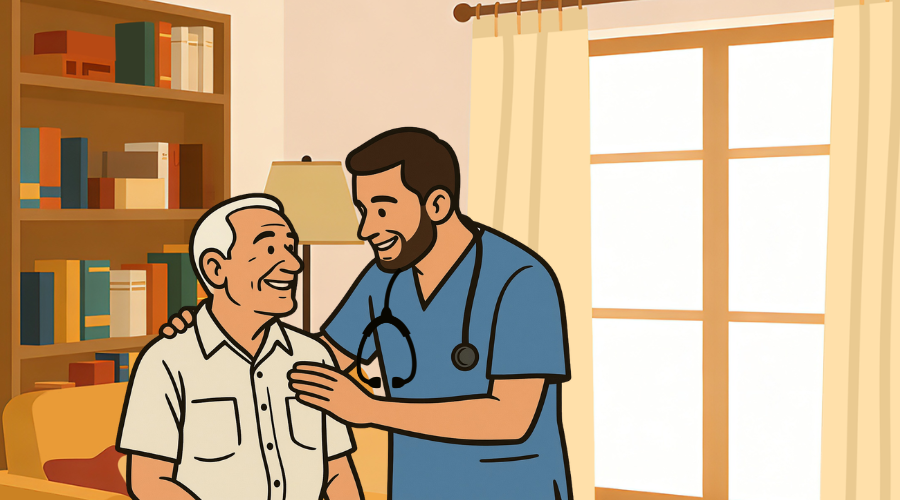
The “office” changes daily for mobile healthcare providers like home health aides, hospice caregivers, and traveling nurses. Because they operate outside the traditional hospital or clinic walls, real-time, compliant communication with a health system’s central operations and the broader care team is essential for keeping patient care continuous, timely, and safe.
When clinicians visit patients at home or move between facilities, they may feel isolated in accessing support when encountering unexpected symptoms or physical changes (e.g., a developing pressure ulcer, wound deterioration, or altered vital signs). Relying on legacy pagers, unencrypted SMS texts, or endless phone tag creates care delays and exposes healthcare organizations to serious HIPAA privacy violations.
To deliver continuous, high-quality care, on-the-go care teams need a mobile-first communication solution. A HIPAA-compliant secure messaging app bridges the physical distance between field staff, hospital call center dispatchers, and in-hospital care teams—ensuring seamless, real-time collaboration without compromising compliance.
[Related Blog Post: 5 Costly Communication Bottlenecks in Healthcare and How to Fix Them]
Security Built for Mobile Workforces
Standard SMS texting and commercial messaging platforms were never designed to meet the strict security demands of today’s healthcare. When clinicians use unsecured consumer messaging apps to share patient updates, they create major compliance vulnerabilities.
A dedicated secure messaging app solves these security challenges by establishing a protected communication ecosystem on hospital-issued or personal devices clinicians already carry (Bring Your Own Device / BYOD):
- Encrypted Data Separation: All electronic protected health information (ePHI) resides inside an end-to-end encrypted container separate from personal applications.
- Biometric and Passcode Authentication: Access is secured by Face ID, Touch ID, or custom PINs, ensuring sensitive data remains protected even if a smartphone is accidentally misplaced.
- Remote Security Management: If a device is lost or stolen, IT administrators can instantly disable app access, safeguarding confidential patient records.
- Caller Privacy and Boundaries: Built-in number masking enables clinicians to reach out to external care partners or display organizational phone numbers without exposing their personal mobile numbers.
Streamlining Workflows
When a field nurse visits a home health patient and encounters unexpected clinical changes, getting immediate input from a specialist or attending physician is vital. Secure messaging apps help field clinicians make fast, informed care decisions alongside off-site specialists, keeping treatment plans moving forward without unnecessary delays.
Encrypted Photo, Video, and Audio Sharing
Smart devices can capture and send encrypted audio, photos, and videos of health concerns and home health equipment setups. Off-site staff can evaluate the files they receive to quickly adjust patient care.
Remote clinicians can share their observations verbally directly into the app, which automatically converts speech to text for hands-free messaging and notes.
On-Call Schedules and Notifications
Integrating secure messaging apps with call center software and on-call scheduling solutions completely transforms day-to-day schedule coordination. On-call schedules stay synced in real time. Traveling staff can review or verify their on-call schedules directly from their mobile phones, smartwatches, or tablets, eliminating confusion over shift coverage.
When an agent at a hospital’s call center learns about an urgent patient need, messages and notifications route automatically to the correct on-call clinician. High-priority ringtones, distinct alert sounds, and persistent notifications ensure time-sensitive dispatches and urgent lab results stand out from routine communication.
Complete Accountability with Closed-Loop Communication
Sending a message is only half the battle—knowing it was received and acted upon is what keeps patient care safe. Unlike standard SMS or unencrypted emails, a specialized secure messaging platform provides complete, end-to-end operational transparency:
Real-Time Status Indicators: Timestamps explicitly display when a message has been delivered, read, and completed, giving supervisors clear visibility into message status.
Automated Escalation Rules: If a mobile clinician fails to read an urgent message within a specified timeframe, automated escalation rules reroute it to a designated backup.
Comprehensive Audit Trails: Every interaction is logged in an audit history. Administrators have full access to message reporting, creating an accountable track record for compliance reviews and internal quality assurance.
[Related White Paper: Protecting Clinical Data and Streamlining Workflows with Secure Messaging]
Mobile care teams face demanding routines, balancing travel logistics with complex patient care needs. Outdated communication methods add unnecessary stress and pull focus away from direct patient interactions.
By equipping field clinicians with a HIPAA-compliant secure messaging app, healthcare organizations empower field clinicians to focus on what matters: patient care. Replacing fragmented communication with a single, streamlined solution enables mobile staff to stay securely connected to their colleagues, support centers, and schedules so they spend less time managing logistics and more time delivering compassionate, high-quality care.